When the past comes aknockin'
How a PBS series helped heal my inner child

I drove into therapy today. I had to. Normally, I log in remotely or Jason drives me in. It’s only a 25 minute drive, but I can’t always guarantee I can focus long enough to drive safely there and back. Today, though, Jason couldn’t drive me, and I didn’t want to risk having technical issues. I needed each and every one of the 55 minutes of my appointment, and I knew it. I borrowed my son’s car (Jason had ours), and I made my way into town.
My therapist was shocked to see me. Even though I hadn’t texted her to ask if we could meet remotely, I guess she just assumed we would since we often do. I sat down in her office, and the floodgates opened. I sobbed for about 45 minutes of the appointment. Why? Because suddenly the pieces of my life had fallen together, and it suddenly made so much more sense. And when that reality hit me, it brought with it a tsunami of anger and pain.
I have been making my way through the John Bradshaw PBS series called “On The Family”. It’s on YouTube. It was filmed in the 80s, and that is very evident in the series, but it is so full of with soul-healing information on what makes a healthy family and on how to heal if yours wasn’t one. I highly recommend it. As I worked my way through the series, I came to realize why, by the time I moved out of the home at age 17, I was a walking automaton, why I didn’t know how to feel my feelings or express myself in a healthy way. The more I thought about it, the more I realized that I had brought that automaton self all the way to California in my 30s where I joined a Christian ministry to the homeless. I thought that I had found unconditional love there. We were reaching out to drug addicts, prostitutes, felons, and anyone else who needed it. The leader of the organization was a felon himself, a former drug dealer who turned his life around in prison and started up the ministry when he got out. Because I felt like I had found unconditional love, I opened up like a rose bud that had been pulled out of the cooler and placed into glorious sunlight. I became bubbly and outgoing. I was no longer shy. I laughed. I danced. I sang. I played. I came alive.
Then the teachings of my youth came aknocking, and the toxic purity culture and patriarchal environment of the ministry started suffocating me. I fell into a spiral of shame so deep that I ended up spending two stints in a mental hospital, one for suicidal ideations and one after a suicide attempt. When I got out of the mental hospital, the board of the ministry decided that I was no longer welcome there, and I became the first person they kicked out. Talk about reinforcing the shame cycle!
I have carried that weight and the guilt that came with those experiences with me for 14 years! I didn’t understand the reason behind what had happened. I didn’t understand why I came out of my shell only to fall back into it like a hermit crab, taking on the rigid constraints of others’ beliefs and suffocating the life out of me once again.
Over the past week, all of that came into clear view, and I didn’t know how to handle it. I’ll be honest. I didn’t think that an hour was going to be long enough to purge all of this from my chest. I thought I was going to come home a sobbing, nonfunctional mess, and while I don’t think the tears are done falling, it is amazing how therapeutic 45 minutes of soul-cleansing sobs be.
One of the points Bradshaw makes in his series is that in order to heal from a traumatic childhood, you have to allow yourself to do the following:
See what you see.
Hear what you hear.
Feel what you feel rather than what you’re supposed to feel.
Think what you think rather than what you’re supposed to think.
Want what you want rather than what you’re supposed to want.
One of the most important lessons I have learned in all of this is that feelings are just feelings. They aren’t good or bad. They may be pleasant or unpleasant, but that doesn’t make them good or bad. They just are. FEEL what you feel. THINK what you think. WANT what you want. None of those things are bad.
I remember a time when I was five. I jumped into a swimming pool and thought I was going to drown. I was terrified, and when I finally came up to the surface, the adult who plucked me from the water told me to stop crying, that I was perfectly fine and that nothing bad happened to me. Looking back on that now, I am rewriting that memory. I am allowing myself to be comforted, to be told that of course I was scared, that going under water and not knowing how to come back up would make most people scared, and that I’m safe now. Feelings are not to be avoided, packed down, done away with. They are meant to be felt.
I share this example today because some of the other more jarring ones are just too personal for me to share in a public forum like this, but the lessons throughout all of these experiences was the same. Your feelings are inconvenient. Your feelings are bad. Your feelings are sinful, and what I have to say to that today is no they are not. They are just feelings, and many of them are justified.
We have feelings for a reason. Why do we tell a child not to cry when they are hurt? What harm does crying do to anyone? Telling a child, or an adult for that matter, not to be angry doesn’t make the anger go away. It just stuffs it down deep. Pretending feelings aren’t there doesn’t make them disappear, and not giving a child a safe space for them to exist creates a cycle of shame that is so hard to get out of.
One more thing about Bradshaw’s series before I sign off. Throughout all ten episodes, he mentions that the point of the series is not to shame the people who raised us. It is not to point at them and call them monsters. They were the way they were because they too came from unhealthy backgrounds, and finger pointing isn’t the path to healing. I look at that story of me in the pool and all the others of little me who was not given the right environment to thrive in, and I offer the younger version of myself what I was not given in that moment.
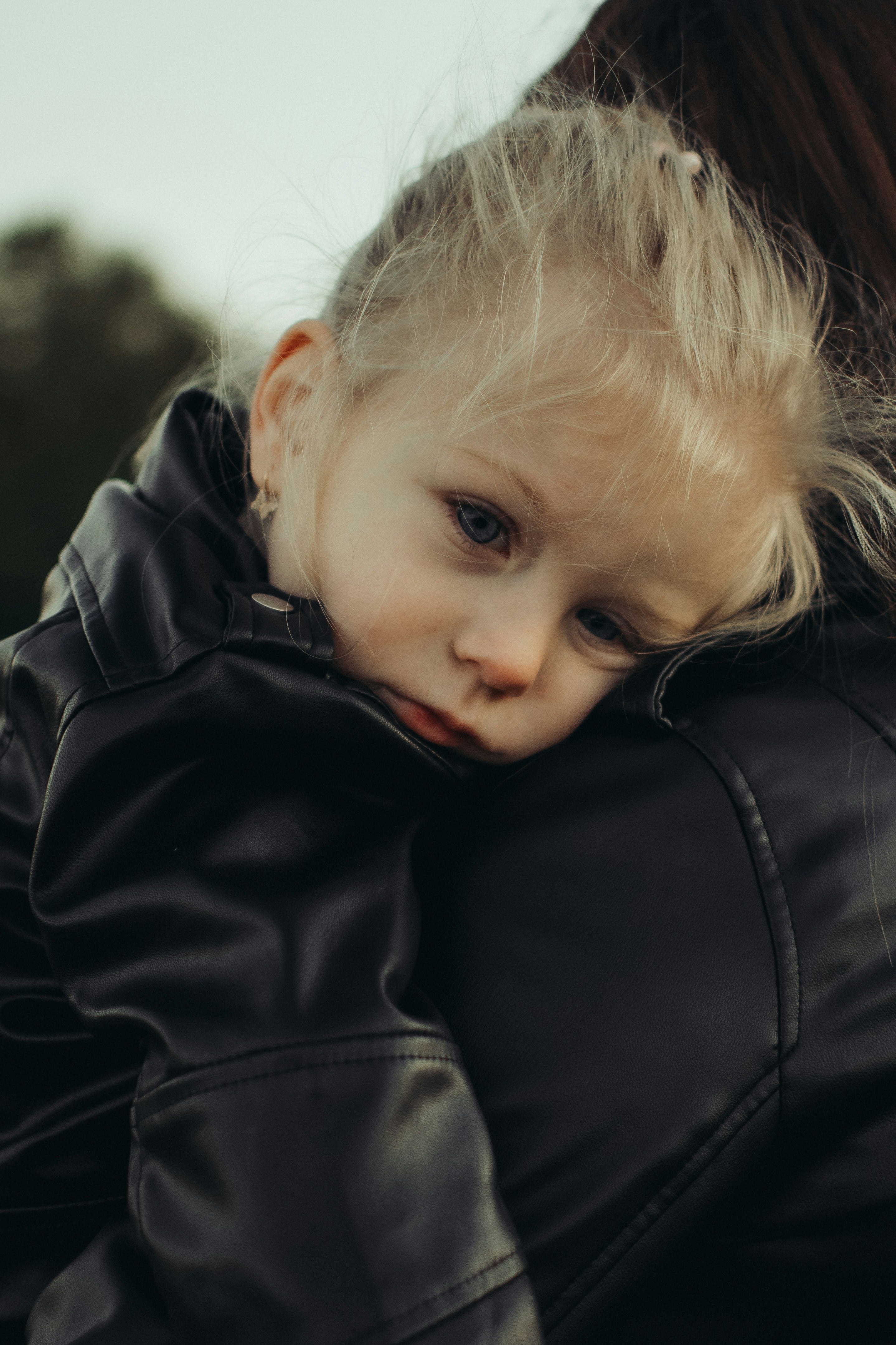
I tell myself that it is okay to feel and express pain, anger, sadness, joy, and whatever other feelings I may be having.
I tell myself that I am not too much.
I tell myself that I do not need to become less so that I am more palatable.
I am fierce. I am beautiful. I am just right, just the way I am.
Oh man. Yes yes and yes and yes. Here's to crying and purging all that choking shame. I will watch that show! I worked at a new agey bookshop in the 90s, and that book Homecoming FLEW off the shelves! I am currently reading the book Safe by Jessica Baum. It is healing in a similar way so far. Oh Becks, a big hug to little Becks, and a big hug to full on grown woman Becks. Sending love your way.
This resonated so much with me. I effectively shut off my feelings when I was diagnosed with Stage IV cancer at age 15. It has taken 50-plus years to learn how to access and embrace them again.